Nutrition for Sports Injury Recovery: 7 Ways to Heal Faster
Adjusting nutrition to recover from sports injuries is simple, but not easy. If you need support to better understand how these recommendations apply to you, schedule a free discovery call.
Adjusting your nutrition to recover from injury is simple but not easy.
Sports injury recovery is a complex process that can be significantly influenced by nutrition. The body's healing mechanisms require a variety of nutrients to function optimally during recovery.
The nutrition strategy for injury recovery is different than the strategy for performing optimally in the absence of injury, because the focus turns to actively repairing damaged tissues, reducing inflammation, and enhancing immune function. The timing and quality of nutrients can also impact the recovery timeline. Therefore, understanding the relationship between diet and healing is essential for anyone looking to optimize their recovery experience.
Here are 7 ways to optimize your nutrition for a faster recovery:
1. Increase Your Calories and Protein
After an injury, your body needs more calories and protein to support the healing process. Research show that both the severity of the injury and each athlete’s individual factors such as age and sex should guide the specific caloric and protein needs.
For calories, this could look like an extra 10-20% more than maintenance calories, or 30-40 calories per kg of body weight. For protein, this could look like anywhere between 1.6-2.2 grams of protein per kg of body weight.
2. Don’t Forget Carbohydrates and Fats
A balanced intake of macronutrients—carbohydrates, proteins, and fats—is helpful during recovery. Proteins are particularly important as they provide the building blocks for tissue repair, sure. But carbohydrates and unsaturated (healthy) fats are also important vital for energy and modulating injury-induced inflammatory responses.
Carbohydrates serve as a primary energy source, which is essential during the recovery phase, especially for athletes who engage in rehabilitation exercises, for example. Studies have shown that adequate carbohydrate consumption can enhance recovery by reducing muscle soreness and improving muscle function post-exercise. Furthermore, carbohydrates can help ease up the inflammation from injury.
Fats, particularly unsaturated fatty acids, play a significant role in recovery as well. They are not only a dense source of energy but also contribute to the structural integrity of cell membranes and the production of bioactive lipid mediators that are involved in the inflammatory response. Omega-3 fatty acids, for instance, have been shown to exert anti-inflammatory effects, which can be beneficial in the context of injury recovery. Additionally, the presence of healthy fats in the diet can support the absorption of fat-soluble vitamins that are essential for healing processes.
3. Incorporate Anti-Inflammatory Foods
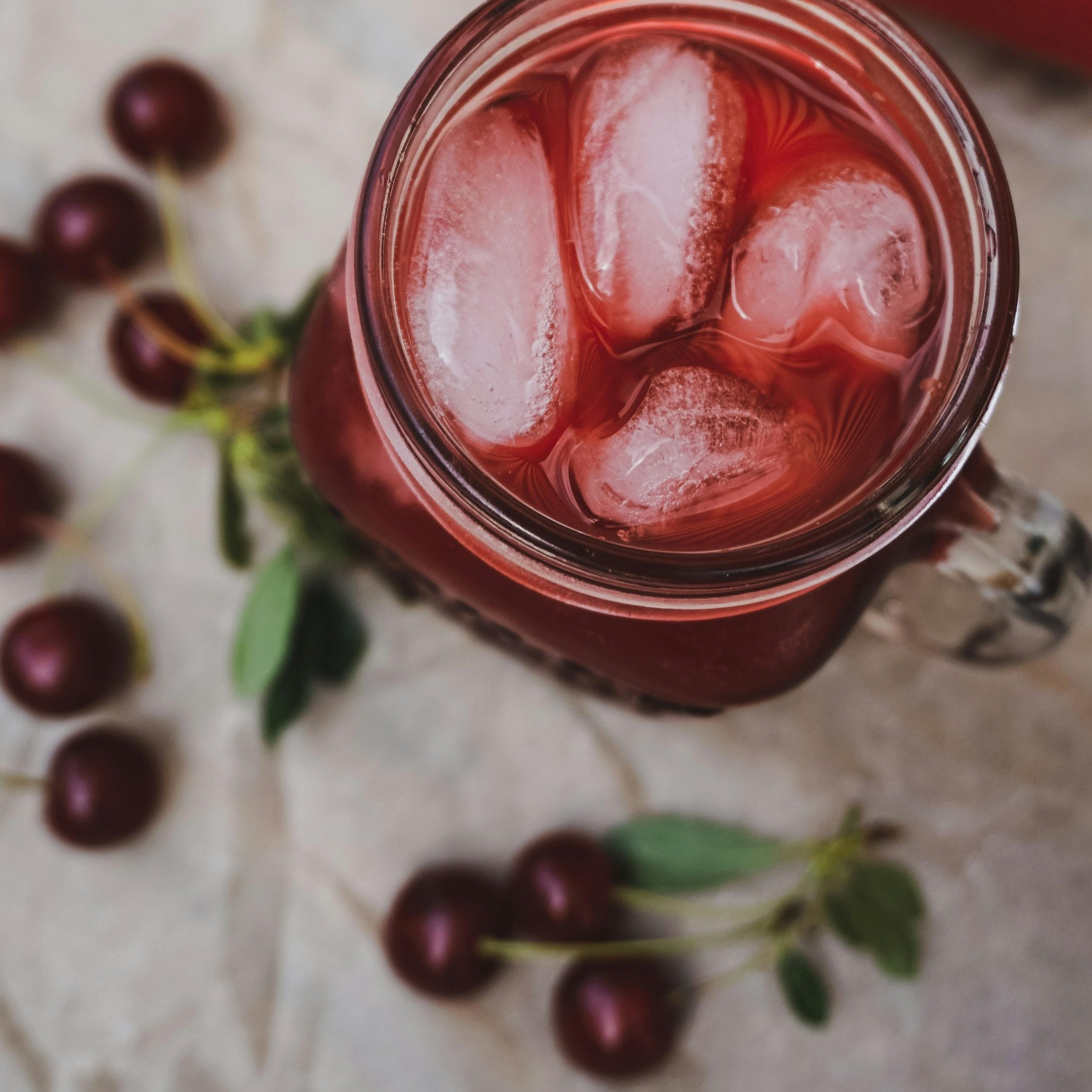
Certain foods can help ease inflammation. Think of nutrients like omega-3 fatty acids, found in fish and flaxseeds, have been shown to reduce inflammation and promote healing. You can also find plenty of antioxidants in fruitsand vegetables, so make sure to incorporate them at meals also.


4. Optimize Nutrient Timing
The timing of nutrient intake can also influence recovery, though is generally less important than eating enough calories in general, and incorporating the right nutrients as mentioned above.
For example, consuming protein-rich meals or snacks shortly after rehab exercises can help tissue repair and growth. Having a carb-rich snack before can help the body have enough energy to perform the exercise to the fullest.
5. Stay Hydrated
Hydration is often overlooked but is essential for recovery. Adequate fluid intake helps maintain optimal physiological functions, including transporting nutrients from food and metabolism. Dehydration can impair recovery and increase the risk of further injury, so don’t forget to drink enough fluids throughout the day, especially after your physiotherapy exercises.
6. Consider Nutritional Supplements
In some cases, dietary supplements may be beneficial in supporting recovery. Supplements like creatine, protein, and multi-vitamins can aid in muscle repair and reduce recovery time. However, it is important to consult with a healthcare professional before starting any supplementation to ensure it aligns with individual health needs and recovery goals (Smith‐Ryan et al., 2020).
Make sure to consult with your sports doctor and/or dietitian before starting any supplement to make sure it is right and safe for you.
7. Regularly Monitor Overall Nutritional Status
Regular assessment of nutritional status is important. Continuous monitoring can help identify deficiencies and guide dietary adjustments to support recovery effectively.
Final words
Nutrition plays a pivotal role in speeding up injury recovery. By tailoring caloric and protein intake, focusing on macronutrients, incorporating anti-inflammatory foods, optimizing nutrient timing, staying hydrated, considering supplements, and monitoring nutritional status, individuals can enhance their healing process and return to their activities more swiftly.
Adjusting nutrition to recover from sports injuries is simple, but not easy. If you need support to better understand how these recommendations apply to you, schedule a free discovery call!
Hope this helped!
Maria Tanielian
Registered Dietitian/Nutritionniste
ODNQ # 7223, CDBC # 2815, SDA # 949, CDO #16856
References worth reading with an open mind
Abdullah, M., Ahmad, A., Wafa, S., Latif, A., Yusoff, N., Jasmiad, M., … & Karim, K. (2020). Determination of calorie and protein intake among acute and sub-acute traumatic brain injury patients. Chinese Journal of Traumatology, 23(5), 290-294. https://doi.org/10.1016/j.cjtee.2020.04.004
Amawi, A. (2024). Athletes’ nutritional demands: a narrative review of nutritional requirements. Frontiers in Nutrition, 10. https://doi.org/10.3389/fnut.2023.1331854
Close, G., Sale, C., Baar, K., & Bermon, S. (2019). Nutrition for the prevention and treatment of injuries in track and field athletes. International Journal of Sport Nutrition and Exercise Metabolism, 29(2), 189-197. https://doi.org/10.1123/ijsnem.2018-0290
Doherty, R., Madigan, S., Nevill, A., Warrington, G., & Ellis, J. (2021). The sleep and recovery practices of athletes. Nutrients, 13(4), 1330. https://doi.org/10.3390/nu13041330
Elliott, E., Shoykhet, M., Bell, M., & Wai, K. (2022). Nutritional support for pediatric severe traumatic brain injury. Frontiers in Pediatrics, 10. https://doi.org/10.3389/fped.2022.904654
Finnegan, E. (2024). Nutritional considerations of irish performance dietitians and nutritionists in concussion injury management. Nutrients, 16(4), 497. https://doi.org/10.3390/nu16040497
Finnegan, E., Daly, E., Pearce, A., & Ryan, L. (2022). Nutritional interventions to support acute mtbi recovery. Frontiers in Nutrition, 9. https://doi.org/10.3389/fnut.2022.977728
Papadopoulou, S., Mantzorou, M., Foivi, K., Alexandropoulou, I., Papathanasiou, J., Voulgaridou, G., … & Nikolaidis, P. (2022). The key role of nutritional elements on sport rehabilitation and the effects of nutrients intake. Sports, 10(6), 84. https://doi.org/10.3390/sports10060084
Smith‐Ryan, A., Hirsch, K., Saylor, H., Gould, L., & Blue, M. (2020). Nutritional considerations and strategies to facilitate injury recovery and rehabilitation. Journal of Athletic Training, 55(9), 918-930. https://doi.org/10.4085/1062-6050-550-19
Tipton, K. (2015). Nutritional support for exercise-induced injuries. Sports Medicine, 45(S1), 93-104. https://doi.org/10.1007/s40279-015-0398-4
Wall, B., Morton, J., & Loon, L. (2014). Strategies to maintain skeletal muscle mass in the injured athlete: nutritional considerations and exercise mimetics. European Journal of Sport Science, 15(1), 53-62. https://doi.org/10.1080/17461391.2014.936326